

Does Alcohol Thin Your Blood? Risks of Alcohol and Blood Thinners

If you’re on warfarin, you should keep your alcohol consumption consistent and minimal, and closely monitor your INR (International Normalized Ratio) levels. When blood thinners and alcohol are combined, the results can be unpredictable. Alcohol might counteract or intensify the medication’s effects, causing either excessive bleeding or increased clot risk. Alcohol can also change how long the medication stays active in your body. Because the liver processes both alcohol and blood thinners, alcohol-related liver damage can interfere with how these drugs work. Blood thinners are medications used to prevent blood clots and improve blood flow in individuals at risk of conditions like atrial fibrillation, heart attack, or stroke.
Can You Drink Alcohol and Blood Thinners at the Same Time?
- Your liver plays a crucial role in processing both alcohol and blood thinners.
- Ultimately, anyone who is taking any kind of blood-thinning medication should speak with their doctor before mixing it with alcohol.
- Alcohol withdrawal itself does not directly cause blood clots, but it can lead to a hypercoagulable state where the blood’s tendency to clot is increased.
- Exceeding the recommended guidelines above is considered heavy drinking.
Remember, when it comes to alcohol consumption and blood thinning, moderation and informed decision-making are essential for maintaining overall health and well-being. If you have a history of bleeding disorders or are taking medications that interact with alcohol, it’s especially important to seek professional advice to ensure your safety and well-being. Navigating the world of beer while on blood thinners can feel tricky. It’s all about finding that balance between enjoying social moments and keeping your health in check. Remember to keep moderation in mind and stay aware of how your body reacts after drinking.
- Blood thinners, also known as anticoagulants, work by inhibiting the clotting process in the blood.
- Alcohol may heighten the risk of bleeding by adding its own blood-thinning effect and by irritating the GI tract.
- If your healthcare provider determines that alcohol consumption is safe for you, it is important to consume alcohol in moderation.
Treatment
Everyone’s blood thinners and alcohol tolerance varies, and what may be ‘safe’ for one person might not be the same for you. Some individuals may find they can enjoy an occasional drink without issues, while others may need to steer clear of alcohol altogether due to heightened sensitivity or pre-existing conditions. The two primary categories of blood thinners are vitamin K antagonists and direct acting anticoagulants.
Understanding the Differences: Paroxysmal vs Persistent AFib Impacts and Treatments
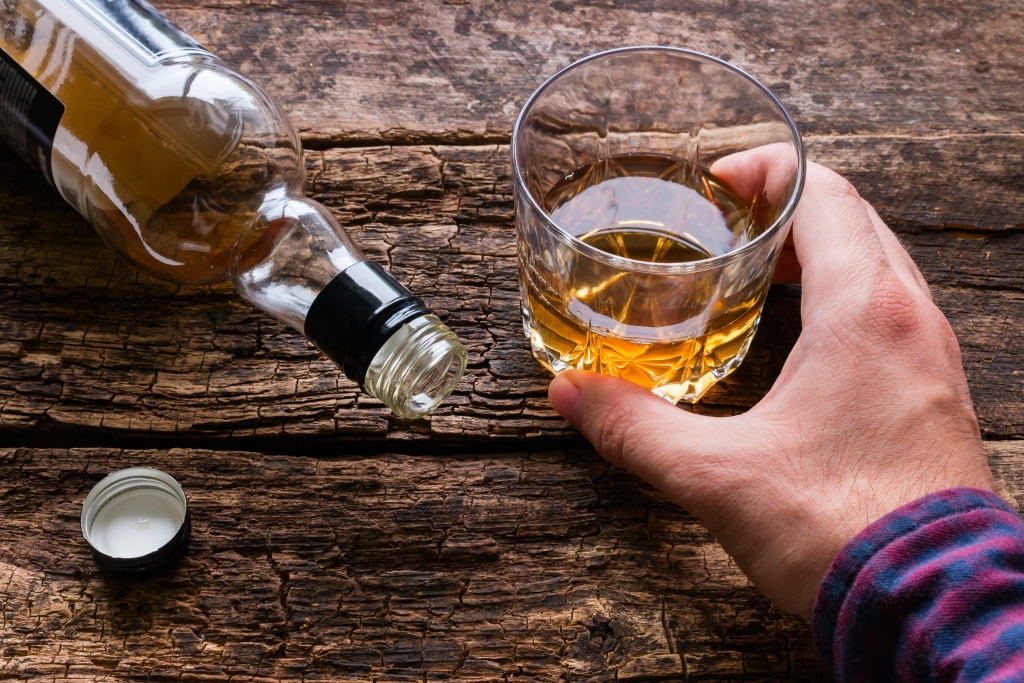
Heads up that some of these “don’ts” don’t apply if you’re on one of the newer blood thinners, like Rivaroxaban (Xarelto®) or Apixaban (Eliquis®). So, it’s important to check with your healthcare provider to make sure you’re taking the appropriate precautions. Occasional, moderate alcohol use should be safe for most people who are taking blood thinners. For example, people with liver problems may need to limit their alcohol use more alcoholism treatment strictly.
Of course, if you drink alcohol, drinking in moderation is always recommended. Over-imbibing can affect how quickly your blood clots and can increase your chances of falling. Even a simple fall can give you a nasty bruise or could even cause internal bleeding. Drinking alcohol while on blood thinners can exacerbate the effects of both substances and reduce the blood’s ability to clot.